
Stainless Steel Tube: A Million Uses
Stainless steel tubing has a colossal number of applications in a vast assortment of different industries and environments. In fact, it would be difficult to work out which is the greater figure: the number of different types of stainless steel tube section available on the market or the different uses and industries these many and varied products are employed in.
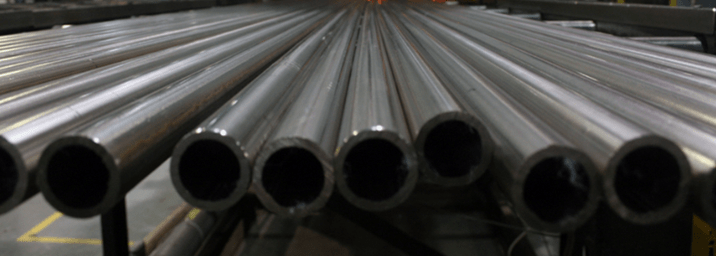
Strength under pressure
Forged from a from a composite of alloys selected according to their properties and their exacting suitability, each grade of modern stainless steel tubing is manufactured with a particular purpose and application (or range of applications) in mind. The stainless steel alloys used for aircraft hydraulic lifts, for example, will prioritise strength, having to lift weights of as much as 100,000 lbs, and will typically combine small amounts of nickel with large percentages of chromium.
In the aerospace, military and nuclear industries, varieties of stainless alloys with exceptionally high resistance and toughness are required (stainless steel grades 304L and 316L and austenitic stainless steel 904L are used in nuclear turbines, for instance).

You’ll find all manner of stainless steel tubing in pretty much all Western domestic households, from refrigerators and other white goods to the gas pipelines bringing in natural gas from the national network (where corrosion and gas leak prevention are a high priority). Civil water transportation systems also use stainless steel tube as the alloy keeps the water clean.
A tube for every job
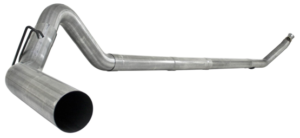
Extreme conditions necessitate the use of high-resistance grades for high-performance vehicle exhausts. The most frequently used stainless steel in performance exhaust systems is T409, though this grade does not contain enough chromium to resist corrosion in cold-weather environments, or areas where salted roads instigate corrosion (T409 has a chromium content of 10.50% to 11.75% while its nickel content is only 0.50%). This why you’ll also find exhausts made from grade 304 as it’s great for rust prevention (though it is susceptible to heat discolouring under extreme temperatures).
When most people think of tubing, they have a circular cross section in mind, but stainless steel tubing is manufactured and fabricated into many different shapes and thicknesses, including oval, square and rectangular, the latter two generally being referred to as box section – something we have in abundance, here at Metal Supplies (not just in stainless steel).
To view all of our readily stocked stainless tube products, visit our stainless steel tube page. You will find a size guide including metric and imperial sizes, plus details of our nominal bore tube.


